What are open banking APIs, and what are they good for?

When talking about open banking APIs, things can get overly technical – and fast. We know because we’re guilty. So to make up for that, we’re explaining, in the plainest of English, what open banking APIs are, and why they’re important.
An API (application programming interface) allows different applications to communicate and interact with one another.
Open banking APIs can give third-party providers access to data from financial institutions in a safe and efficient way.
By being able to access financial data, companies can innovate and broaden their offering.
Before we get ahead of ourselves, let’s start with some basic definitions. API stands for application programming interface, and it’s essentially a software ‘middleman’ that allows different applications to communicate and interact with one another.
So, to put it in simple terms, open banking APIs make it possible for the Service X software to interact with the Bank Y software, and come out with the information (usually financial data) requested.
What are the benefits of open banking APIs?
First and foremost, open banking APIs enable people and businesses to reap the benefits of open banking (which essentially boils down to increased innovation). In and of themselves, the APIs are important because they give third-party providers access to data from financial institutions in a safe and efficient way.
Ultimately, open banking APIs should make it easier for new fintech services to focus on providing a great user experience – as they can rely on the stable, core banking infrastructure already created by financial institutions.
And if you’re wondering what banks get out of this deal – by fostering innovation, these APIs are creating entirely new ecosystems around the banks. Ecosystems these banks can leverage to broaden their offering and attract new customers.
More in Open banking
2026-09-25
3 min read
Avy: payments that power growth across markets
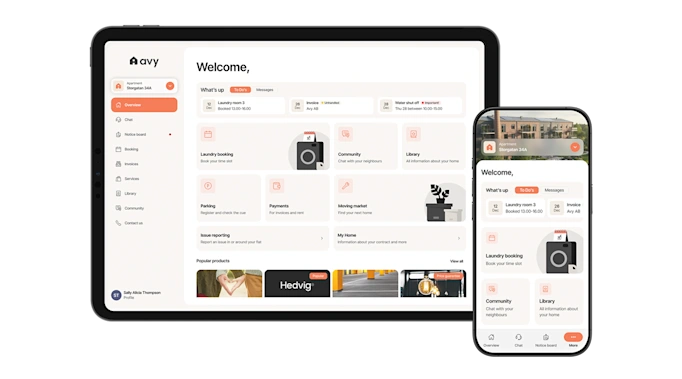
Avy is a customer platform for real estate, giving residents a single place to handle everything from rent to broadband. To turn payments into a driver of engagement, Avy needed low-friction and reliable payment flows. They built them with Tink.
Read more

2026-08-11
8 min read
Beyond one rail: What the next chapter of Dutch payments means for merchants
As Dutch payments evolve beyond a single rail, merchants must rethink how they balance cost, risk, settlement speed, and customer experience. Learn how payment optionality, Pay by Bank, and multi-rail strategies can help future-proof your checkout and support long-term business growth.
Read more

2026-08-11
8 min read
Beyond one rail: What the next chapter of Dutch payments means for merchants
As Dutch payments evolve beyond a single rail, merchants must rethink how they balance cost, risk, settlement speed, and customer experience. Learn how payment optionality, Pay by Bank, and multi-rail strategies can help future-proof your checkout and support long-term business growth.
Read more
Get started with Tink
Contact our team to learn more about what we can help you build – or create an account to get started right away.